

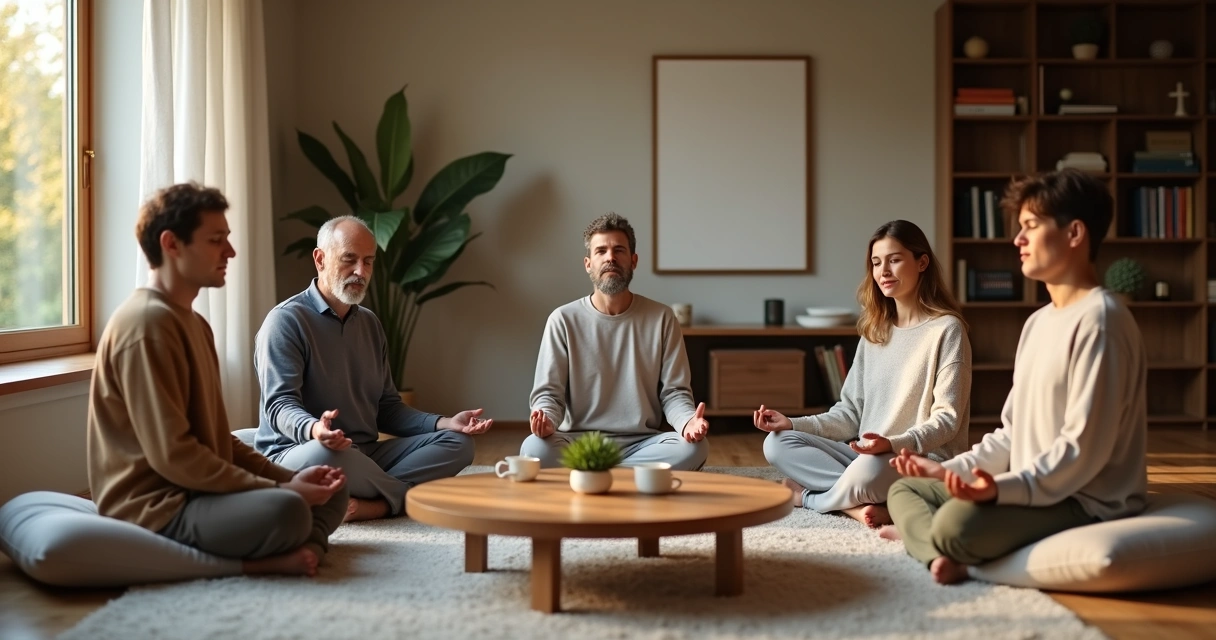
We all live within a web of social relationships: friends, family, colleagues, even new acquaintances we just met. Sometimes, these connections bring joy and growth. At other times, they challenge us with misunderstandings, emotional triggers, or moments when we feel misunderstood. What if meditation, far from being just an individual practice, could shape the way we interact, care, and connect with others?
We've seen firsthand how meditation can transform the landscape of social bonds, offering tools to approach relationships with more presence, empathy, and clarity. Here, we share nine practical ways we believe meditation can be woven directly into your daily social life – making each relationship more conscious and deeply rewarding.
Strengthening presence in conversations
Being present is the foundation of every meaningful conversation. Instead of letting your mind wander or rehearsing responses, meditation can help you anchor attention to the person in front of you. Try a few mindful breaths before entering conversations. We often use the following approach:
- Notice your breath as you listen. Each inhale and exhale brings focus back when distractions appear.
- Let go of the urge to interrupt. When we notice thoughts arising, meditation helps us pause, reflect, and stay truly present.
We’ve found that the more we bring our meditative presence to discussions, the more trust, connection, and understanding naturally follow.
Cultivating empathy and active listening
When we meditate, we develop an attunement to our own thoughts and feelings. This same skill is invaluable in building empathy.
- Before meeting someone, try taking a minute to ground yourself. Imagine what the other person might be feeling or experiencing.
- During conversations, reflect on their words without judgment.
Active listening is not just hearing; it is receiving. Meditation quiets our internal dialogue so that someone else's story can really land.
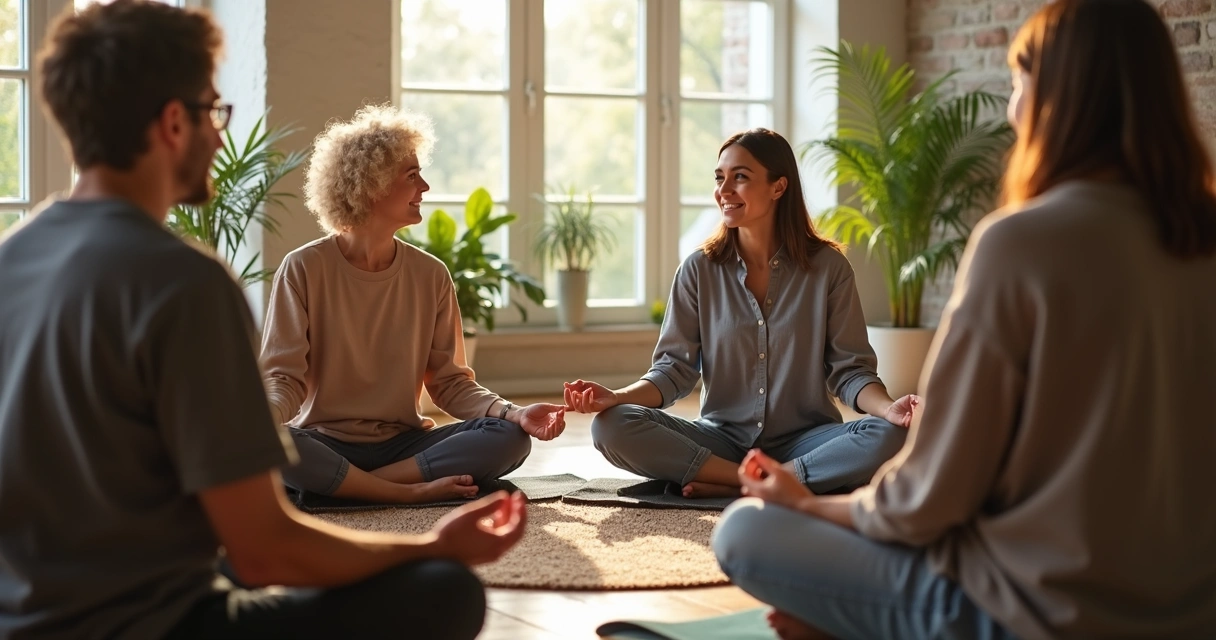
Regulating emotions before responding
Many social challenges spring from unfiltered, emotion-driven reactions. A regular meditation practice teaches us to notice emotional waves as they rise, giving us space to choose a response instead of a reflex.
- When tensions increase in a discussion, try pausing. Place your hand on your heart or belly, take a few deep breaths, and notice any sensations.
We believe that when we do this, we bring greater maturity and less drama to every interaction.
Repairing after conflict
All relationships hit rough spots. Meditation can help us approach apologies, explanations, and mending bonds with a clearer mind and open heart.
- Use meditation after a disagreement to process what happened, reconnect with your own intention, and gain perspective. Acknowledge your feelings without judgment.
- Ask yourself: what am I responsible for? How do I want to show up next?
Clarity in conflict creates space for forgiveness and genuine healing.
Setting healthy boundaries
It’s not always easy to say no or protect our own needs, especially with loved ones. Meditation creates a habit of tuning inward, helping us discern when a boundary is needed.
- Practice visualizing your personal space during meditation. If you sense discomfort in an interaction, recall this grounded feeling before responding.
Enhancing group dynamics
Groups, whether in the workplace or family, are living systems. We've practiced using a few minutes of group meditation before meetings or gatherings.
- Begin with one minute of silence together, encouraging collective presence.
- Afterward, note the changes in energy and openness. We often find smoother communication follows shared silence.

Navigating social anxiety
Social situations can bring anxiety, especially when meeting new people. Meditation techniques, like focusing attention on your breath or noticing physical sensations, can calm nervousness and help you remain grounded in the present.
With practice, we find we can enter social spaces with more openness and genuine curiosity.
Grounding meditations are especially helpful before stepping into unfamiliar social settings.
Expanding compassion and forgiveness
Compassion meditations, such as repeating phrases like “May you be happy” or visualizing warmth flowing from your heart, can gradually dissolve resentment or frustration toward others.
- If you're struggling with forgiveness, dedicate a few minutes to compassion meditation. Focus on your shared humanity.
Bit by bit, we find compassion grows, even when the other person isn’t present.
Aligning actions with values
Meditation offers a window into our deeper intentions. By reflecting on questions like “How do I want to relate to others?” or “What matters most in this relationship?”, we align words and actions with core values.
This mindful alignment can shape family culture, friendship, and workplace interactions toward honesty and respect. For more on how conscious choice can boost your relationships, visit our consciousness articles and our series on meditation.
Incorporating meditation into your social routines
You don’t have to meditate for hours to see results. Even two minutes before a conversation, or one mindful breath before you answer someone, can shift everything. Here are some ways we like to make meditation a practical tool in daily relationships:
- Begin your day with a short reflection on your intentions in relationships.
- Pause and breathe before responding in sensitive discussions.
- Suggest shared meditations in team settings, families, or among friends as a way to create group coherence.
- Reflect after social events about how you felt, what worked, and what could shift next time.
If you want to discover frameworks and concepts around emotional clarity and maturity in relationships, you may enjoy exploring more on emotional maturity in our resource library.
Reflection and next steps
Perhaps the most subtle shift we’ve felt when weaving meditation into relationships is this: we bring more intentionality, less reactivity, and softer judgment into all our social bonds.
Every relationship is an opportunity to practice presence.
Applying even one or two of these meditation-based approaches can transform not only how you feel but how others perceive and connect with you. If the intersection of human development, behavior, and philosophy interests you, we invite you to browse our insights on practical philosophy and integrative human valuation.
Strong relationships are created with clear understanding, empathy, and conscious intention. For us, meditation is one of the simplest, most direct ways to bring these qualities to every interaction.
Frequently asked questions
What is meditation in social relationships?
Meditation in social relationships means applying mindfulness and self-awareness techniques to the way we interact with others. It includes specific practices to foster presence, empathy, and conscious communication in both personal and professional connections.
How can meditation improve friendships?
Meditation helps us listen more deeply, respond thoughtfully, and be more compassionate with our friends. It reduces misunderstandings, enhances enjoyable moments, and allows us to repair conflicts more smoothly. When we meditate, we become more present and less reactive in our friendships.
Which meditation techniques help with arguments?
Techniques like mindful breathing, body scans, or pausing for reflection in the middle of a disagreement are especially helpful. You can use compassion meditation to reduce anger or resentment and awareness practices to slow down emotional reactions. These approaches help you approach arguments with a clearer mind and calmer emotions.
Is it worth it to meditate before meetings?
Yes, meditating before meetings can improve focus, reduce anxiety, and lead to more open communication. Just one or two minutes of calm, conscious breathing can help everyone approach a discussion with more clarity and patience. Teams that start with group meditation often experience less tension and more productive collaboration.
How often should I meditate for relationships?
There is no fixed rule, but regular meditation – even a few minutes daily – makes a noticeable difference. If you find social interactions stressful, try practicing briefly before or after key conversations. Consistency is more meaningful than duration, so build meditation into your daily or weekly rhythm in a way that feels natural.