

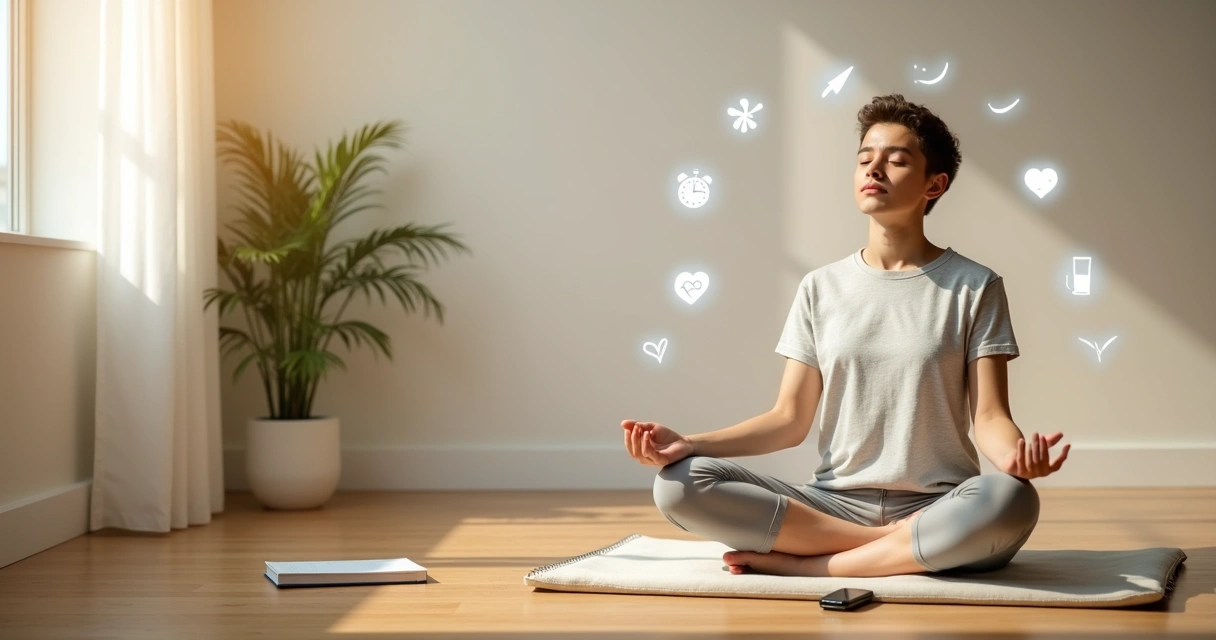
Building presence is something many of us wish for, but rarely find time to nurture. We rush between meetings, answer messages, and even in moments of rest, our attention splits in several directions. Meditation, in our view, stands as an invitation to slow down the gears. It allows us to grow the capacity to stay present, notice our inner world, and respond rather than react. If you are starting out, having a simple checklist can help ground the practice. Let’s walk through steps and insights that can make the first stages of meditation for presence feel more approachable, practical, and meaningful.
Why presence matters in everyday life
When we talk about presence, it’s not just about sitting quietly. We refer to an active, perceptive state, anchored in what’s happening right now. This state opens a gap between impulse and action, where we reclaim choice. In our experience, being present can soften stress, improve communication, and deepen our sense of satisfaction in small moments. The benefits spread through personal, professional, and social spheres.
Presence starts with noticing the moment instead of trying to control it.
Presence connects us with intention. Bringing awareness to our breath, posture, or tone of voice can shift routines, relationships, and the way we face challenges. Over time, this gives life more direction, as explored in pages about consciousness and awareness.
Preparing the space and mind
Before starting any new habit, preparation shapes the way forward. Meditation is no exception. If we create the right space and intention, the mind feels invited to participate—rather than forced.
- Find a safe and quiet spot. Choose a place where interruptions are unlikely, even if only for five minutes. This might be a corner of a room, your parked car, or an early-morning seat outside.
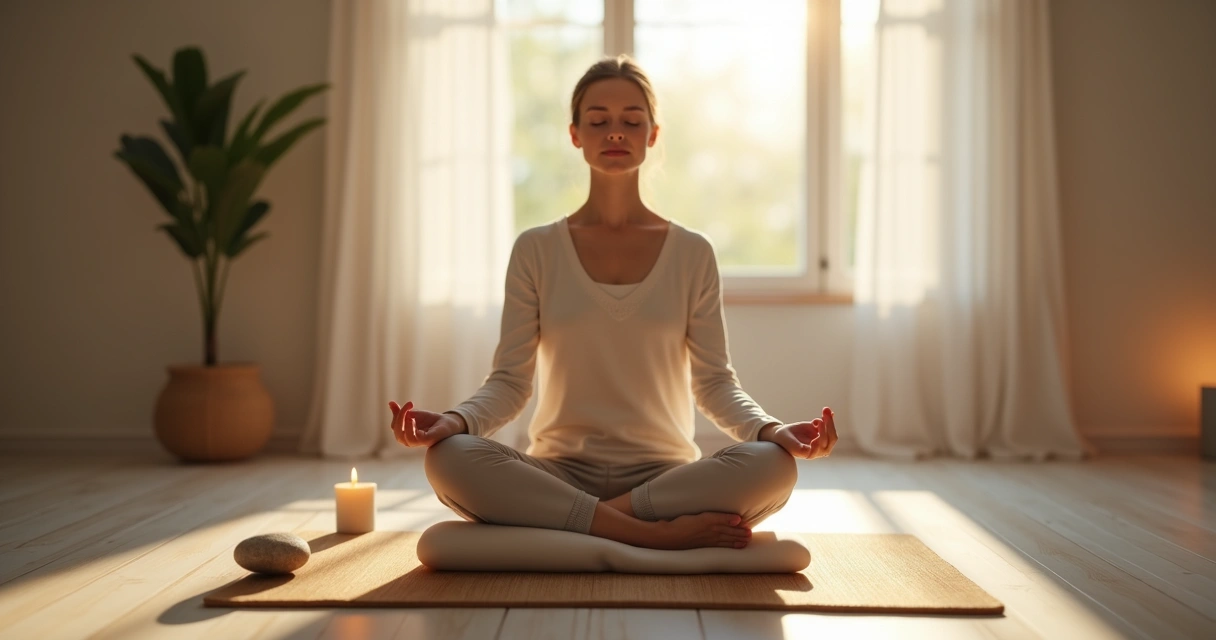
- Make it comfortable, but not too cozy. Soft lighting, a cushion or straight-backed chair, and loose clothing support your focus. Avoid places that encourage sleep unless rest is your intention.
- Bring a small symbol or object if you like—a stone, a candle, or an item that helps anchor your attention.
Before sitting down, we have found that naming your intention (silently or aloud) makes a subtle difference. For example, “I’m practicing being present,” sets a tone.
Step-by-step beginner’s checklist
We often hear from newcomers that uncertainty about “doing it right” becomes a barrier. Having a clear, nonjudgmental checklist provides confidence. Here’s how we suggest approaching your first meditations for building presence.
- Sit in a position that feels upright and relaxed. Shoulders loose, neck aligned, feet grounded or crossed as preferred.
- Close your eyes or lower your gaze. Settle into physical stillness, but don’t try to force away thoughts.
- Bring attention to your breath. Notice the rhythm of inhales and exhales. Don’t alter them—simply witness the movement.
- When thoughts, noises, or sensations arise, notice them and gently guide your attention back to your breath.
- Keep a gentle attitude. If you become distracted, label it “thinking” or “planning” without scolding yourself, and return to the breath.
- Continue for a set period. For beginners, 5-10 minutes is enough. Use a gentle timer if needed.
- When the time ends, open your eyes slowly. Notice how you feel before you move.
Sometimes, even a single breath counted with full attention can shift your internal state. With repetition, the moments of presence slowly stitch together into longer, richer experiences.
Common roadblocks and how to handle them
In our journey, certain themes almost always arise for beginners: restlessness, impatience, self-doubt, and a storyline that says, “I’m not doing this right.” These experiences are not mistakes—they are part of the practice. What matters is how we relate to them.
- Restlessness: If the body feels tense, begin with three slow breaths, focusing on the exhale. Allow subtle movements if needed, but invite the body to settle when possible.
- Distracting thoughts: Instead of fighting thoughts, notice them as passing clouds. Create a mental note—“thinking”—and return to breath.
- Impatience or boredom: When these feelings appear, see if you can welcome them with curiosity. Notice the sensations they bring, then re-anchor attention.
- Judgment or doubt: Remember, there is no “perfect” meditation. Skill grows with consistency, not with perfection. Consider reading personal stories to see the range of experiences at our team’s insights.
Meditation is a skill that grows from consistency and gentleness, not from rigid discipline.
Building presence in daily routines
While seated practice is valuable, we have noticed that presence is most powerful when it suffuses daily life. A checklist for this can look simple:
- Choose a routine task—making tea, washing hands, brushing teeth.
- Decide to bring full awareness to the experience. Feel the temperature, scents, and movements without rushing.
- If your mind wanders, gently return attention to the task. No need to be harsh with yourself.
- Try this daily for one task, then expand to others as comfort grows.
This approach naturally expands meditation beyond a seated session. More resources for living consciously are available in practical philosophy articles and content on emotional maturity.
Tracking your progress and gentle reflection
Presence develops in shades, sometimes almost invisibly. We think it helps to keep a simple journal. Write down after each session:
- How long did you sit?
- What did you notice most—breath, body, thoughts, or emotions?
- How did you feel at the end?
After a week or two, patterns may start to show. Some feel calmer, others more aware of emotional swings. The goal is not about clearing the mind but learning to witness the mind’s activity with greater kindness and insight.
Resources and next steps
As practice becomes more familiar, some people wish to deepen their understanding. Short guided audio sessions or written exercises can be helpful. Searching for topics such as breathwork, mindful walking, or presence exercises can connect you with reliable techniques. Stay curious, experiment with small changes, and return to what feels effective for you.
Conclusion
Meditation is not a race or a competition. It is a space we create—first in quiet moments, and then in the middle of our daily lives—to notice, accept, and interact consciously with reality. Through small, regular acts, presence grows, and life feels both richer and more manageable.
We have seen through experience that consciousness and presence are not distant ideals. They are reachable with the right intention, space, and support. Each step, each breath, is a part of this ongoing journey.
Frequently asked questions
What is presence in meditation?
Presence in meditation refers to being fully attentive to what is happening right now, without judgment or distraction. It means tuning into your breath, body, or a chosen focus, rather than dwelling on the past or predicting the future. This state brings more clarity and calm to your experience.
How can I start meditating for presence?
We suggest beginning with short, guided sessions that direct your attention to the breath or sensations. Sit comfortably, set a timer for 5-10 minutes, and focus on observing each inhale and exhale. If you notice thoughts, gently return to your point of focus. Simple, nonjudgmental awareness is the goal.
What are the best tips for beginners?
Start small and make meditation a regular habit, even if only for a few minutes each day. Choose a quiet space, maintain a gentle attitude, and remember that distraction is part of learning. Using checklists or journaling experiences also helps track growth over time.
How often should I meditate as a beginner?
As beginners, daily short sessions bring the most progress, but a few times a week is also helpful. What matters is the steadiness of the practice, not the length of each session. Even five minutes a day can be meaningful when done regularly.
Is meditation worth it for mindfulness?
We believe meditation is a practical path to increase mindfulness in daily life. It supports better focus, emotion regulation, and a more engaged presence, making each experience feel deeper and more rewarding.