
We often think a desk is just a surface. A place for a laptop, a notebook, a cup of coffee, and the loose ends of the day. Yet in our experience, a desk says more than we notice at first glance. It can mirror how we think, what we protect, what we avoid, and what we want our life to reflect.
Your desk is not just a work area. It is a visible trace of your inner priorities.
We have seen this in small ways. One person keeps only what is useful, and every item has a place. Another fills the space with books, ideas, notes, and memory objects. Someone else leaves the desk clear, but the drawers hold layers of unfinished decisions. None of these scenes are random. They often point to values such as order, freedom, beauty, control, care, learning, or even emotional safety.
When we look at a desk with more awareness, we stop judging and start reading. That is where the value lies.
What physical space can reveal
Our outer space does not expose our whole inner life. Still, it offers clues. The desk is one of the few places where thought becomes visible. We place objects there on purpose, by habit, or from neglect. All three say something.
We can learn a lot by asking simple questions:
- What is always within reach?
- What is missing from the space?
- What gets kept even when it is not used?
- What feels calming there?
- What feels heavy there?
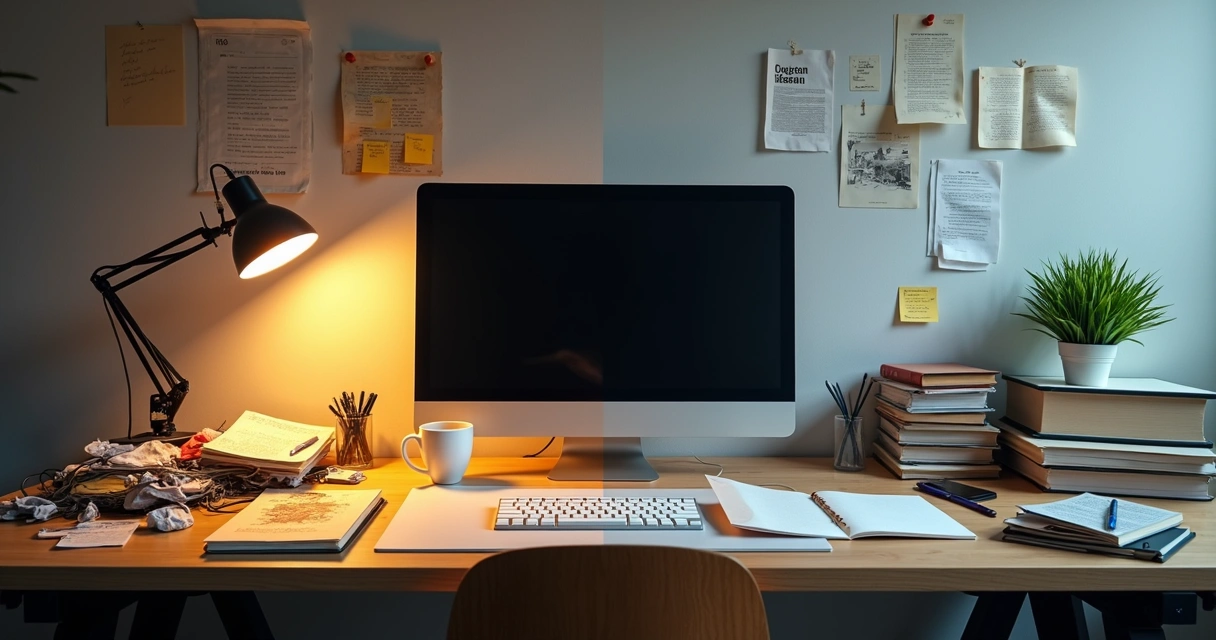
If a desk holds only task tools, we may be looking at a person who values focus, directness, and speed. If it also includes family photos, a plant, and a handwritten note, we may be seeing values tied to affection, grounding, and meaning. If the desk is crowded with old papers, there may be a hidden conflict between responsibility and overload.
Space speaks.
This kind of observation connects well with broader reflections on consciousness, because what we repeat in our environment often reflects what we repeat in ourselves.
Common desk patterns and the values behind them
We should be careful here. A desk is not a diagnosis. It is a pattern field. It gives hints, not final answers. Still, some patterns appear often enough to be worth naming.
A highly ordered desk may suggest:
- Respect for structure
- Need for mental clarity
- Care with commitments
- Preference for predictability
A creative but busy desk may suggest:
- Love of ideas
- Comfort with movement
- Curiosity and experimentation
- Low attachment to rigid form
A desk with many personal objects may suggest:
- Value for belonging
- Emotional connection to memory
- Need for warmth in daily life
- Wish to humanize work
A nearly empty desk may suggest many things too. It can reflect simplicity and peace. It can also reflect distance, pressure, or a wish to keep life emotionally contained. Context matters. Timing matters. The person matters.

Why values show up in objects
We do not place things around us in a neutral way. We shape our spaces based on what helps us feel stable, seen, ready, or protected. Sometimes we do this with full awareness. Sometimes we do it without noticing.
The objects on a desk often serve emotional roles before they serve practical ones.
A stack of books may mean, “I want to keep learning.” A closed drawer may mean, “I do not want to face this yet.” A perfect layout may mean, “I need order so I can breathe.” A photo in the corner may quietly say, “I do this for someone I love.”
In our view, this is where practical philosophy becomes useful. The way we arrange matter reflects the way we arrange meaning. If we want a richer reflection on this kind of link between daily life and inner direction, themes in practical philosophy offer a strong path.
There is also research that supports the link between personal traits and the way people shape their work experience. Research with 159 Italian workers found positive links between extraversion, agreeableness, conscientiousness, and job-crafting behaviors, with insight orientation acting as a bridge. This helps us see that people do not simply react to work settings. They also shape them in line with who they are.
When the desk and the person are out of sync
Sometimes a desk reveals not our values, but the gap between our values and our current life. That can be uncomfortable. It can also be very honest.
We may say we value calm, but our desk is full of unfinished tasks and visual noise. We may say we value creativity, yet the space allows no room for thinking. We may say we value relationships, but nothing in the environment reminds us of shared purpose or human connection.
We have seen people feel sudden emotion after clearing a desk. Not because of the furniture, but because they touched old choices. A receipt from six months ago. A note from a hard week. A pile that had become a silent burden.
Clutter is sometimes postponed emotion.
This is one reason themes related to emotional maturity matter so much. The state of a desk can reflect our capacity to decide, close cycles, and live with congruence.
How to read your own desk with honesty
We do not need a full makeover to gain insight. We only need to pause and look with sincerity. A useful way to begin is to notice what your desk rewards and what it blocks.
You can ask yourself:
- What does this space make easy for me?
- What does this space make hard for me?
- Which item here reflects a value I want to keep?
- Which item here reflects fear, delay, or confusion?
- What one change would make this desk feel more true?
These are small questions, but they can reveal a lot. They connect material order with self-respect, and physical arrangement with personal direction. In many cases, they also bring us closer to themes of human valuation, because the way we care for our space often reflects the way we value our time, energy, and presence.

Shaping a desk that supports who we want to be
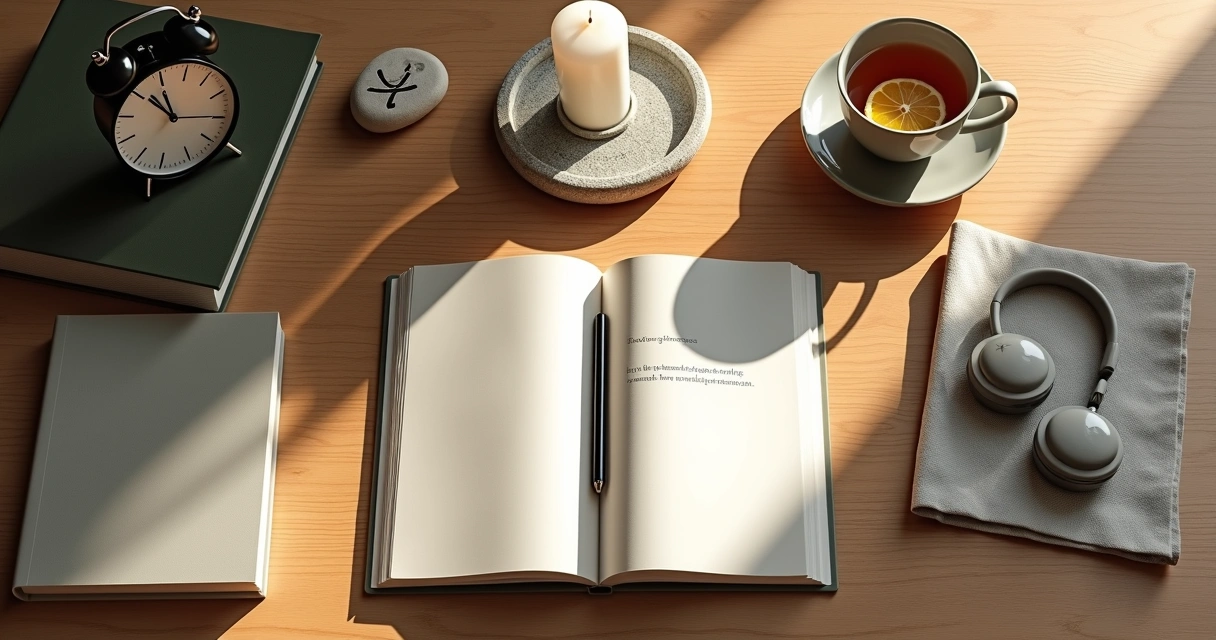
A desk should not become a stage for perfection. It should become a support for alignment. That may mean less on the surface. It may mean more beauty. It may mean one object that brings calm, one tool that supports focus, and one empty area that leaves room for thought.
A good desk does not impress. It supports coherence.
In our experience, the best changes are usually modest:
- Remove what belongs to an old mental cycle
- Keep one object that represents purpose
- Make daily tools easy to reach
- Reduce visual friction
- Leave at least one clear space for fresh work
If you feel unsure about where to start, a simple personal search through themes such as meaning, work, attention, and self-observation can help. A useful entry point is the broader content gathered in related reflections on these topics.
Conclusion
What our desk reveals is rarely about neatness alone. It points to values, tensions, habits, and forms of self-relationship. It can show care. It can show confusion. It can show a wish for peace that has not yet reached form.
When we learn to read the desk without shame, we gain a practical mirror. That mirror helps us see whether our space supports the person we are, or the person we are trying to become. This matters because values do not live only in speeches or plans. They live in repeated acts, quiet choices, and visible arrangements.
Sometimes change starts with one cleared corner. Sometimes that is enough.
Frequently asked questions
What does my desk say about me?
Your desk may reveal how you relate to order, comfort, identity, memory, and decision-making. A clear desk can reflect simplicity or a need for control. A full desk can reflect creativity, overload, or attachment to unfinished matters. The meaning depends on your habits and your current stage of life.
How to create a desk that reflects values?
We suggest starting with one question: what do you want this space to support? Then remove items that do not match that aim, keep tools that serve your daily work, and add one or two objects that reflect values such as calm, learning, or connection. Keep it honest, not decorative for appearance alone.
Is a messy desk a bad thing?
No. A messy desk is not always negative. For some people, visible materials support thinking and idea flow. The problem starts when the mess creates stress, confusion, delay, or emotional weight. The real question is whether the space helps or hinders your way of living and working.
Why does desk organization matter?
Desk organization matters because physical space affects attention, mood, and the ease of daily decisions. When the desk fits your values, it can reduce friction and help you act with more consistency. It is less about appearance and more about inner alignment made visible.
Can my workspace improve my productivity?
Yes. A workspace can support better focus and steadier action when it reduces distractions and matches the kind of work you do. This does not mean every desk must look the same. It means the space should serve your real needs, your rhythm, and the values that guide your work.