

Ethics in human development is often discussed in broad terms, but what lingers beneath the surface? While “doing good” or “acting right” is commonly stressed, the real-life nature of applied ethics—those gray areas, unspoken conflicts, and everyday trade-offs—gets very little attention. We have seen how elegant ethical frameworks can dissolve in moments of real-world pressure. Let’s talk about the ethical complexity that seldom reaches the surface of common discussions, and why it matters for anyone aiming to foster genuine growth, maturity, and impact.
Why ethics isn’t as simple as “right or wrong”
Most people imagine ethical questions as clear-cut: honesty vs. deceit, kindness vs. cruelty. But in our experience, the real world is rarely black or white. Context shapes almost every action.
Sometimes, choosing “good” for one person means difficulty for another.
Imagine a coach pushed to uncover a painful truth with a client. Is it more ethical to push forward or to protect the person from discomfort? Or the leader facing a tough team decision—should personal loyalty bend to group fairness?
- Context drives meaning: What is “right” in one situation can be damaging in another.
- Consequences matter: Every ethically-driven choice shapes not just intentions, but also real-life outcomes.
- Values often clash: Loyalty, honesty, fairness, and compassion rarely line up neatly; more often, they compete.
Ethics isn’t a script to follow. It is a living system shaped by relationships, goals, histories, and unintended results.
The pressure behind ethical shortcuts
We all say we value ethics, but under certain pressures, good intentions can slip. In our work, we’ve noticed several causes that quietly nudge people and organizations away from their stated values:
- Time pressures: Deadlines encourage rushed thinking and short-term fixes.
- Performance demands: When outcomes are valued above process, corners are tempted.
- Ambiguous standards: If ethical boundaries are unclear, people rationalize questionable decisions.
- Desire for harmony: Conflict avoidance can lead to silence or complicity when behavior should be challenged.
A true ethical stance is tested not by what we claim, but by what we do when it costs us comfort, approval, or success.
We have seen organizations that appear highly principled on paper act much differently—in the quiet gap between policy and practice, the real tests happen.
Ethics as a living personal practice
Ethics cannot be “outsourced” to a list of rules or abstract codes. Each of us practices ethics daily, sometimes with intention, other times unconsciously. What is less discussed is that our personal maturity and emotional landscape deeply influence our ethical choices.
When we talk about emotional maturity, for instance, we are also talking about the roots of ethical action. Without emotional clarity, even well-meaning people act out of projection, fear, or unfinished personal history, sometimes compromising their values unknowingly.
Ethics begins in feeling, not just thinking.
People with greater self-awareness and maturity tend to pause more, reflect on motivations, and recognize their own biases when faced with a dilemma.
The risk of ethical blindness in transformation work
Human development aims to foster greater freedom, capability, and meaning. But the same power that helps can also harm if ethics are left unchecked. We have witnessed how easy it is for well-intentioned development work—coaching, leadership, or facilitation—to slide into manipulation or control.
Why does this happen? Several reasons:
- Role confusion: When facilitators or leaders confuse their own needs with those of others, the boundary blurs.
- Influence without reflection: The power to shape others’ thoughts and beliefs is strong. Without self-examination, there’s a risk of imposing, not guiding.
- Lack of systemic awareness: When we fail to see the broader system—family, team, or society—hidden dynamics go unaddressed, fostering blind spots.
Exploring our place within the system, as presented in systemic constellation models, can help reveal subtle influences and ethical risks we often miss.
Who decides what is ethical?
We live in a world of plural values. As a result, there is rarely universal agreement on what is “ethical”; what feels respectful and appropriate in one culture or organization can seem unkind or ineffective in another. Even within families or teams, internal values can clash.
So, how do people move forward? In our experience, it helps to:
- Define personal and collective core values.
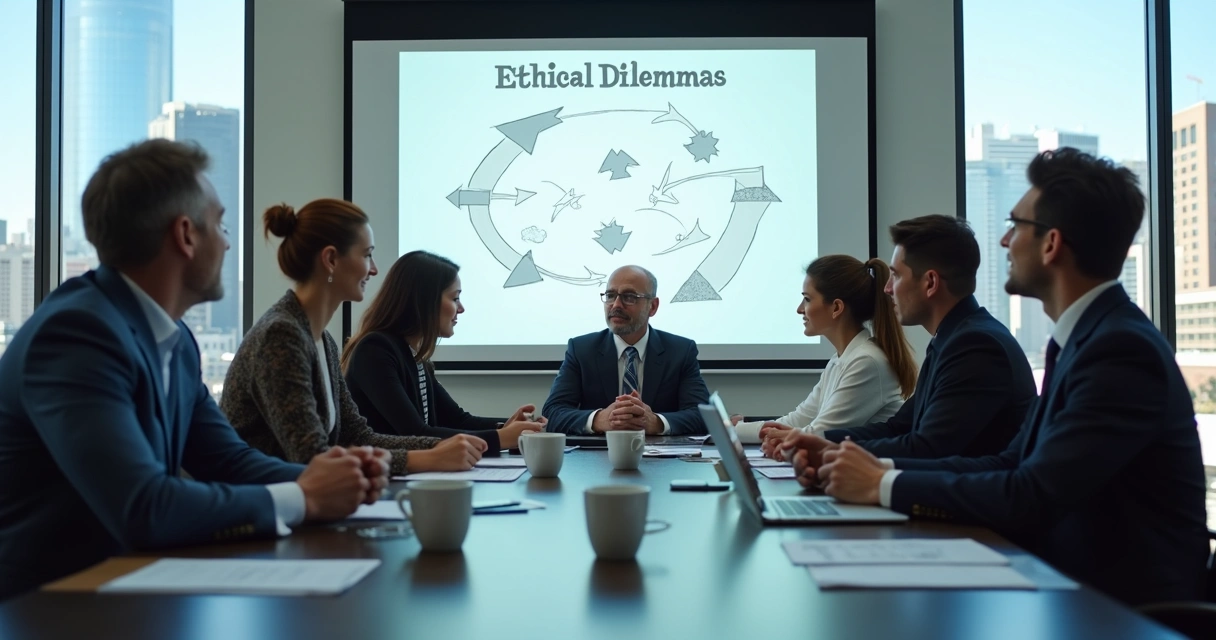
- Openly talk about difficult ethical dilemmas.
- Reflect on past experiences to make implicit values explicit.
- Consider future consequences, not just present gains.
Ethics requires more conversation than answers.
Real progress happens not by demanding uniformity, but through honest dialogue and collective reflection.

When values clash, what really matters?
Values will collide sometimes. Loyalty may clash with honesty, ambition may compete with humility. What then?
From our practical perspective, these moments point toward the maturity, consciousness, and responsibility needed for growth. Mature people recognize that:
- No rule covers every situation.
- Intentions alone are not enough; effects matter too.
- It takes humility to admit blind spots and seek feedback.
- Ethical pain is part of growing up—if we care enough, we’ll feel the tension of mistakes or limitations and learn from them.
As we align our choices with broader notions of consciousness instead of automatic habit, we start to embody ethics as an ongoing process, not as dogma.
The silent barriers: Money, influence, and hidden motives
There are hidden drivers that influence ethical practice, often left unaddressed in formal conversations. Financial incentives, the desire for recognition, or subtle group pressures may quietly encourage ethical slides. Reflecting on human valuation beyond finances opens the door to broader and more sustainable forms of value—ethical action that isn’t always about the bottom line.
Acknowledging these pressures makes us more honest—and more resilient.
Reevaluating ethics as a collective journey
Perhaps the greatest hidden truth is that ethics in human development is less about “knowing the right answer” and more about collective learning. No single person holds all the wisdom. We need diversity of voices—different ages, cultures, and backgrounds—to gently challenge blind spots and bring out the best in each decision.
When we frame ethics as a journey, rather than a destination, we invite questions, dialogue, and growth. This openness is at the heart of practical philosophy in human development. We encourage everyone involved—leaders, coaches, teams, or families—to bring up ethical questions not just when there’s a problem, but as a living, ongoing part of real life. Our experience is that ethical clarity grows as we seek feedback, stay transparent, and stay ready to adapt.
Conclusion: Ethics begins—and continues—within
What no one tells you about ethics in human development is that it is never finished. Each choice, each conversation, each act of reflection shapes our character and our impact. We have learned that the questions matter as much as the answers. In times of uncertainty, it helps to pause, seek diverse perspectives, and remember: Ethics is built in the small quiet moments, not just at the big crossroads.
When we treat ethics as a living, adaptive process—rooted in self-awareness and collective responsibility—we open the door to deeper human transformation and real, lasting value.
Frequently asked questions
What is ethics in human development?
Ethics in human development is about the principles and values that guide how we interact, support, and influence others during their growth processes. It focuses on respect, responsibility, and the impact of our choices on individuals and systems.
Why is ethics important for development?
Ethics matters because human development involves trust, power, and vulnerability. When we act ethically, we create safer and more authentic environments for learning. This supports deeper change and stability for everyone involved.
What are common ethical issues faced?
Some common ethical issues include deciding how much truth to share, respecting privacy, managing conflicts of interest, recognizing unconscious biases, and balancing the needs of different individuals or groups.
How to handle ethical dilemmas in development?
To handle ethical dilemmas, pause and reflect on your intentions, possible effects, and the core values at stake. Seek input from others, consider short and long-term impacts, and stay open to adapting your approach as needed.
Who sets the ethical standards in development?
Ethical standards often arise from a mix of professional codes, shared group norms, legal requirements, and personal values. Usually, they evolve through ongoing discussion and reflection among those involved in development work.