


The common story in business focuses on numbers—revenue, margins, profit. But we believe real stories stretch far beyond. They show up in connection, fulfillment, and the difference we make in people’s lives. Today, more of us are asking: What value do we actually create in the world? How can our actions bring not just gain for us, but also meaning, growth, and benefit to others?
Why just profit is not enough
Profit is simple to count. This makes it appealing. We watch the numbers go up or down and feel we understand how we’re doing. But at some point, most organizations and individuals notice something missing. Teams feel disconnected. Motivation drops. Customers seek a deeper bond. Our own satisfaction starts to seem flat.
We’ve seen this happen after years of working with leaders, teams, and entire organizations. When profit is the only goal, people start feeling like cogs instead of creators. Our sense of purpose fades, and so does true performance.
Numbers alone don’t tell the whole story.
This is where human valuation comes in. We seek to measure what matters most—impact on people, societies, and the wider world. Many of us find that when we do, not only do our organizations grow stronger, but so do we.
What is human valuation?
Human valuation is the effort to recognize and measure the real effects our choices have—not only on financial statements, but on relationships, culture, growth, and emotional health.
- It asks us to look at emotional development—how do people feel and grow as a result of being in this environment?
- It brings our attention to relationships—do we build trust, kindness, and mutual support?
- It expands our field of view—are our actions leaving a positive mark beyond our walls?
In our experience, organizations that succeed at this create something lasting. Their teams don’t just follow rules, they lead with meaning. Clients and partners see them as sources of value that goes beyond transactions.
Moving beyond numbers: Dimensions of real impact
It’s helpful to see real impact as being made up of several interrelated areas. When we look at a project, team, or decision, we ask ourselves:
- How does this support personal growth and well-being?
- What effect does it have on relationships—inside and outside the organization?
- Does it add to our shared sense of purpose and belonging?
- Is there a larger effect, perhaps invisible at first, on the community or environment?
- Does our success lift others, as well as ourselves?
These questions bring greater clarity. They push us to see people not just as workers, but as whole human beings. And that means paying attention to both results and the quality of the journey.
Practical ways to measure real impact
The challenge is real: How do we make something that feels invisible become visible? The world of human valuation offers several methods we have refined over time.
Start with deep listening
Strong measurement always begins with listening. We ask for feedback—not just about satisfaction, but about how people truly feel and what they experience. This means:
- One-on-one conversations for authentic stories
- Anonymous surveys with open-ended questions
- Team dialogues that encourage voice, not just consensus
When we listen deeply, we discover patterns—both bright spots and pain points—that guide where we need to grow.
Look at qualitative and quantitative indicators
Measuring real impact is a blend. Numbers matter—retention rates, participation levels, health indicators. But so do stories, testimonials, and reflections.
- Quantitative data can show trends: improved well-being, fewer conflicts, higher engagement.
- Qualitative insights reveal meaning: feelings of inclusion, personal transformation, renewed hope.
Combining both creates a fuller picture of our impact.

Apply ethical and systemic reflection
We also ask: What values are guiding us? Are we aware of the bigger systems we affect—families, communities, the environment? Taking time for reflection allows us to stay anchored in ethics and look for long-term ripple effects.
Resources about practical philosophy and consciousness help deepen this inquiry.
Incorporate emotional maturity and sustainability
Are emotional intelligence and maturity increasing inside our teams? This is not an easy metric to measure, and yet we seeevidence in how challenges are handled, how people deal with change, and the culture that grows over time. Looking back after a year, for example, do people feel more able to express needs, encourage others, and take responsibility?
At the same time, we ask about sustainability. Are our actions supporting growth that can last, not just for this quarter, but for years ahead? Insights from emotional maturity and human valuation help guide us.
Tools and frameworks for human valuation
The tools we use need to fit both the people and the context. Some of the most effective ones that we have used include:
- Behavioral feedback loops—making sure feedback is not a one-time event, but a living, ongoing part of our culture
- Emotional mapping—tracking how people move through different states of well-being and learning over time
- Purpose alignment checks—reviewing decisions and projects based on how well they align with our purpose “beyond profit”
- Systemic visualizations—using diagrams to see how changes ripple through relationships and systems
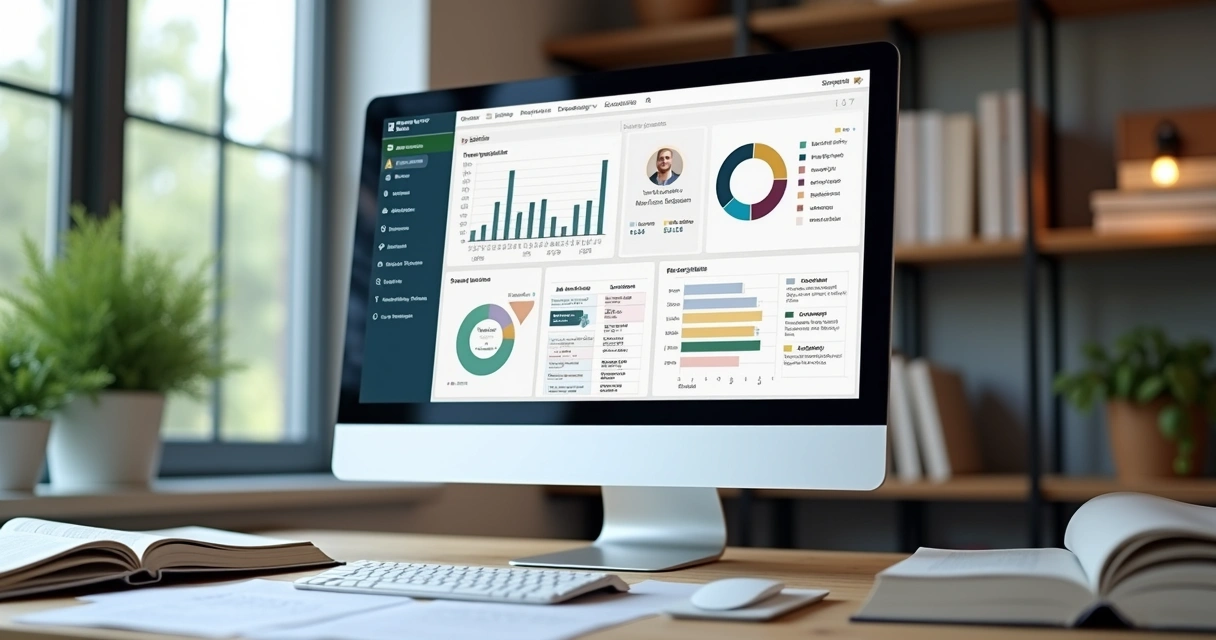
- Integrated dashboards—combining both soft and hard metrics
These tools are not about replacing intuition, but supporting it with clarity. Examples and research can be found by searching for real impact stories and models.
The ripple effect: Growing real impact together
We find that when organizations move attention to human valuation, the benefits are not only internal. Clients, partners, and even the wider community feel a difference. One act of purpose and care often inspires another. The result? Higher trust, deeper commitment, and a legacy that lasts longer than any spreadsheet or annual report.
If you want more details about valuation approaches and their human side, see our articles on measuring human value.
And if you’re wondering where to start, remember:
The smallest movement toward real impact matters.
Every step counts—every conversation, every shared story, every effort to connect people and purpose. We see it every day, growing stronger.
Conclusion
Thinking beyond profit opens a world of possibilities. It allows us to build healthier cultures, lead with purpose, and make a genuine difference in the lives we touch. Measuring real impact means recognizing growth, connection, and transformation—inside our organizations and beyond.
We believe this is the future of lasting value. Our shared journey toward true human valuation may not always be simple to count, but it is always worth counting.
Frequently asked questions
What is human valuation beyond profit?
Human valuation beyond profit is the practice of measuring value by looking at more than just financial outcomes. It includes factors such as personal growth, quality of relationships, emotional well-being, and the social or environmental effects of our choices. This approach seeks to understand and grow the positive difference we create for people and the world, not only for financial gain.
How to measure real impact effectively?
We measure real impact effectively by combining feedback, data, and reflection. Some methods include gathering both stories and surveys, tracking trends in well-being and inclusion, and using frameworks that encourage us to consider long-term and broad effects. Real impact measurement mixes numbers and authentic stories to show change in both hearts and results.
Why go beyond just financial profit?
Limiting measurement to just financial profit leaves out what truly matters to people: meaning, fulfillment, connection, and growth. Going beyond profit helps us create environments where people thrive, relationships strengthen, and our actions leave a positive legacy. This deeper value ultimately improves motivation, trust, and sustained success.
What are examples of real impact?
Examples of real impact might be a workplace where team members feel safe to be themselves and support each other, a project that improves well-being for customers, or a policy that reduces harm to the environment. Real impact is often seen in improved lives, stronger communities, and increased emotional maturity.
Is it worth it to measure impact?
Yes, it is worth measuring impact. When we pay attention to impact, we see not just what we do, but how it affects people and systems around us. This awareness helps guide better choices, build stronger teams, and support sustainable success—for everyone.