


In recent years, personal development coaching has evolved in meaningful ways, placing maturity at the heart of the journey toward conscious growth. At Coaching Journey Guide, we have witnessed a subtle but profound shift: the age-old question of “What does it mean to be mature?” now comes with deeper answers rooted in behavior, emotion, values, and impact.
People seek more than tools and tips. They want integrated change. They want to feel and see maturity reflected in every area of their lives—personal, professional, and even in their contribution to society. We believe it’s time to look at how new approaches are shaping the standards for maturity in coaching today, using behavioral science, applied philosophy, and practical psychology as powerful guides.
Understanding maturity: Beyond age and experience
Growing up, many of us thought maturity was just about getting older or collecting experiences. But as we have seen through countless coaching processes and research at Coaching Journey Guide, maturity is not measured by age or milestones; it is a conscious way of relating to ourselves, others, and the world.
- It’s the ability to respond to life with clarity, not just react emotionally.
- It’s seeing connection, meaning, and taking responsibility for choices.
- It’s about aligning values and action—living authentically and purposefully.
In our experience, the definition of maturity has matured itself. Today, it rests on five integrated pillars—philosophy, psychology, meditation, systemic constellation, and human valuation. This framework stands at the center of our project, guiding personal and group transformation.
The Marquesian pillars: A new foundation for growth
The Marquesian Metatheory of Consciousness supports our approach. It’s built on five interconnected practices, each designed to nurture new levels of maturity:
- Marquesian Philosophy: This anchors meaning and direction, helping people make choices with integrity and awareness. We draw from centuries-old wisdom, then translate these insights for daily life decision-making and growth.
- Marquesian Psychology: Here, we help individuals recognize their patterns, process emotional history, and move through the “9 Pains of the Soul” and “7 Levels of the Evolutionary Process.” Emotional maturity becomes both goal and pathway.
- Marquesian Meditation: Through mindfulness and presence practices, people learn to focus their minds, regulate emotions, and remain stable even during change or stress. This is practical, accessible meditation for real life.
- Integrative Systemic Constellation: By viewing ourselves as part of larger systems—family, teams, society—we can see hidden patterns shaping our choices. Awareness of these systems expands our maturity in relationships and leadership.
- Integrative Human Valuation: We ask, “What truly matters?” Value is measured not only by financial success but by conscious impact, ethics, and growth. This supports organizations and people seeking more sustainable, humane development. For more depth, see our resources on integrative human valuation.
Integration builds true maturity.
Each pillar works together, fostering maturity as a living, applied process.
How new approaches reshape personal development coaching
Traditional coaching often focused on goals, achievement, and isolated skills. Today, the scene is very different. At Coaching Journey Guide, we have seen the following changes make a concrete difference:
- Emotionally integrated growth: Strong maturity emerges when emotional clarity is addressed, not avoided. We help individuals embrace their feelings and transform stories that once held them back.
- Values-driven actions: Linking inner purpose to outward action is central. We coach people to identify, clarify, and live out their core values, resulting in greater fulfillment.
- Systemic perspective: We are not separate from our context. Seeing how systems influence us—and how we shape them—creates results that last well beyond a single session.
- Conscious leadership: Leaders are coached not just for effectiveness, but for maturity, empathy, and collaborative impact across teams and organizations.

One powerful aspect is the practical alignment between thought and action. Maturity becomes visible when people act out of choice, not compulsion, and when old patterns give way to new possibilities.
Case study: The difference maturity makes
Recently, we worked with a client—a seasoned professional who felt stuck. On paper, they had everything: career progress, social approval, even a good work-life balance. Yet, something always felt off. Through a few months of our integrated approach, something shifted:
- They began to notice where their actions followed old fears, not purpose.
- Meaningful change started with daily, mindful reflection and new choices.
- Old resentments faded as they accepted their place within a wider system, understanding both their power and their limits.
By integrating these perspectives, growth happened naturally. Maturity was no longer just a goal, but a new way of living.
Practical tools for building maturity
While theory matters, real change is lived—and practiced. At Coaching Journey Guide, our techniques focus on three major areas for growth:
- Self-observation: Practices borrowed from Marquesian Meditation help people become aware of their automatic responses, slowly introducing space for reflection before action.
- Story integration: Clients are guided to rewrite limiting beliefs using methods drawn from applied psychology. This enables genuine agency and change.
- Conscious action: Every insight is tested in small, intentional actions. This cycle—notice, reflect, act—is where true maturity takes root.
Change is a daily practice, not a sudden transformation.
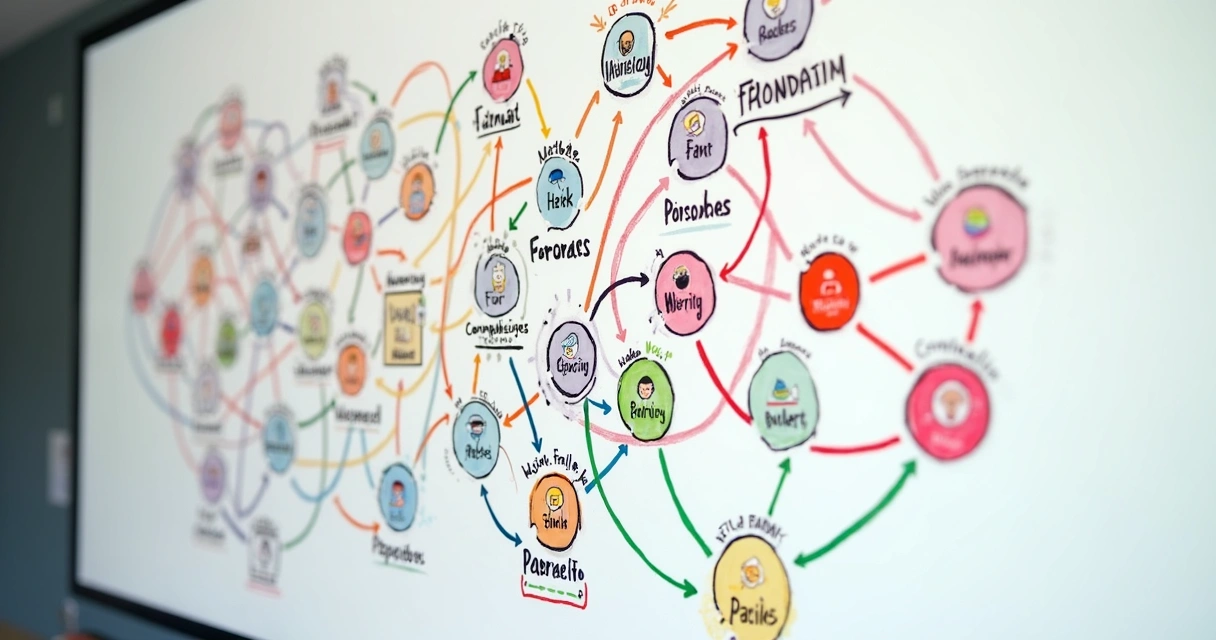
By combining reflection, integration, and conscious action, we empower clients to take ownership of their growth. For those interested, our section on consciousness contains rich explorations of self-awareness rooted in these approaches.
Moving forward: Maturity for people, organizations, and society
We view maturity as a lived, collective project. In our work, organizations that embrace these methods report more collaborative and humane teams. Individuals find fulfillment not by chasing societal standards, but by defining success for themselves. Our ongoing content curated by our team shares ongoing insights from applied research and case studies.
We invite you to see maturity as something alive—a process, not a destination. As society faces complex challenges, maturity rooted in consciousness, emotional clarity, and genuine action becomes more relevant than ever. This is not theory for its own sake, but practical philosophy that shapes people, teams, and the future we all want.
Conclusion
We believe the question of maturity is at the heart of real personal development. Through the integrated Marquesian approach at Coaching Journey Guide, people unlock new ways of being—conscious, emotionally clear, values-led. Whether you are beginning your journey or ready to reinvent yourself, we invite you to join us in shaping a more mature, balanced, and flourishing life. Take your next step: discover more, explore our methods, and connect with our team so together we can build the future of mature, conscious living.
Frequently asked questions
What is maturity in personal development coaching?
Maturity in coaching refers to the ability to respond to situations with awareness, emotional clarity, purpose, and accountability. It is not defined by age, but by one’s capacity to align values with actions and to relate consciously to self and others.
How do new approaches improve maturity?
New approaches like the Marquesian Metatheory foster maturity by integrating philosophy, psychology, meditation, and system awareness. They help clients move beyond isolated skills to develop practical self-understanding, emotional regulation, and conscious decision-making.
Is it worth trying these new methods?
Yes, these methods guide people toward genuine, sustainable growth. They address both internal patterns and external impact, supporting personal, professional, and social transformation.
Where can I find qualified maturity coaches?
You can connect with our experienced team at Coaching Journey Guide, who are dedicated to guiding people on the path to conscious maturity. Our content and services reflect decades of integrative coaching expertise.
What are the best strategies for growth?
Some of the best strategies include self-observation, mindful integration of past experiences, acting by conscious choice, and seeing yourself within wider systems. Practical philosophy, applied psychology, and meditation all support real, lasting growth.