


Each of us carries inner wounds. Sometimes, they show up as something obvious—a persistent sadness, anger, or a fear that colors our choices. Other times, they linger out of sight, shaping how we relate to ourselves, others, and the world. We call these deep-seated wounds the nine pains of the soul. In our experience, learning to identify them with clarity is a major first step to move toward emotional maturity, conscious living, and a stronger sense of purpose.
We all have internal experiences we cannot always explain.
Understanding the nine pains of the soul
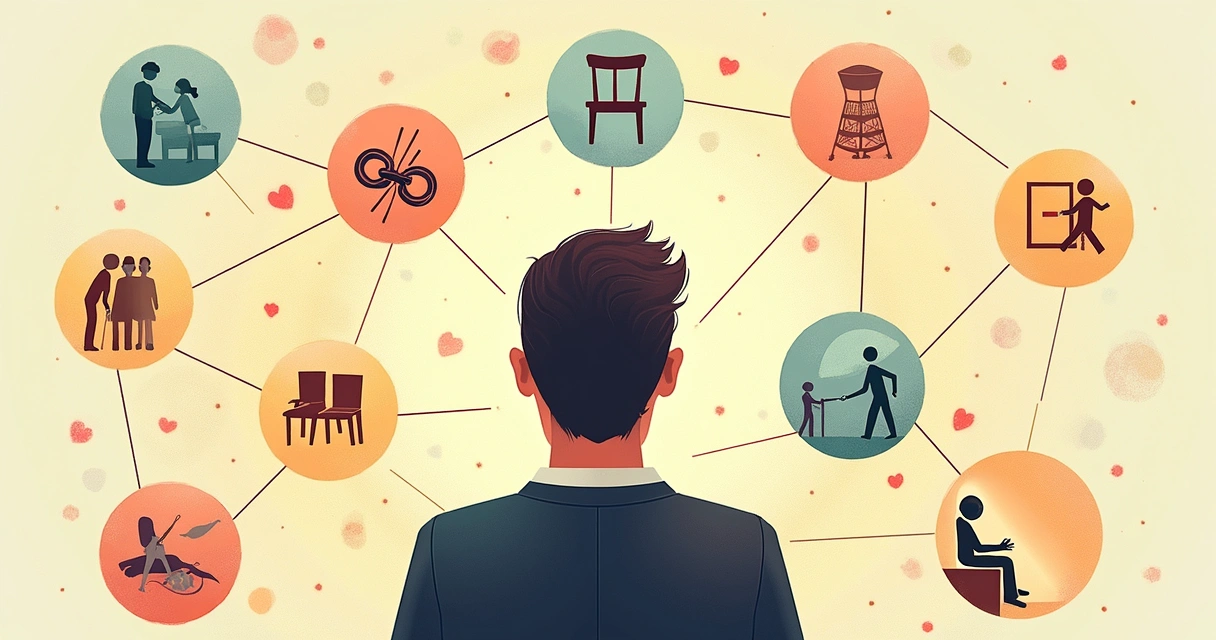
These nine pains are not random. They act as recurring patterns or emotional imprints that can be felt through our reactions, behaviors, or struggles. None of them define who we are, but each can influence the way we see ourselves, interpret our history, and respond to life’s invitations or obstacles.
Though the detail of each pain may be unique to us, their qualities are shaped by deep emotional themes that repeat across humanity. Here’s an overview:
- Betrayal: The wound of broken trust, often leaving us wary of connection.
- Abandonment: Rooted in feeling left behind, either emotionally or physically.
- Rejection: The deep sense of being unwanted or excluded.
- Humiliation: Involving deep shame or loss of dignity, sometimes tracing back to early experiences of ridicule or judgment.
- Injustice: The pain of being treated unfairly or denied recognition.
- Guilt: An ongoing feeling of wrongdoing, whether justified or not.
- Fear: A chronic or specific sense of dread, often with no clear cause.
- Loss: The impact of bereavement, endings, or significant change.
- Meaninglessness: A sense that life lacks direction, value, or contentment.
These themes can overlap, echo through our relationships, and even be passed across generations. Still, each of us has a unique story and particular pains that resonate more strongly.
Recognizing your own pain: signs and clues
Self-awareness is the foundation of healing. In our view, learning to notice the signs of soul pain involves paying close attention to patterns that repeat in our daily life, even when they seem subtle or trivial. For example:
- Emotional reactions stronger than the situation calls for
- Recurring dreams or daydreams stuck on the same scenario
- Relationship behaviors that follow predictable scripts
- Physical symptoms that surface around specific memories or people
- Persistent thoughts of being unworthy, unsafe, or alone
These signals are often less about the world and more about unresolved inner stories. When a current event triggers an outsized emotional response, it often points to an older wound resurfacing.
The masks we wear to hide our pain
One of the ways the pains of the soul endure is through the use of masks—we develop patterns to protect ourselves from further hurt. While masks can be helpful short-term, they often limit our freedom to act and to be authentic. These masks might appear as:
- The Perfectionist, who avoids criticism by never making mistakes
- The Pleaser, who seeks approval at the cost of personal boundaries
- The Controller, who fears uncertainty and seeks to control outcomes
- The Invisible, who goes unnoticed so as not to risk rejection
- The Joker, who hides real feelings behind humor
As we begin to see our own masks, we also better understand the pains underneath. The mask is never the real problem—it is the pain beneath it that asks for our attention.
Personal reflection: becoming the observer
One practice that we have found to be powerful in uncovering personal pain is becoming an active observer of our own hearts and minds. This can be done by pausing for a moment at the end of day, asking:
What did I feel most intensely today, and when?
By looking at moments of strong feeling with curiosity and without judgment, we allow ourselves to notice patterns. When reflected upon over time, these patterns often connect directly to one or more pains of the soul.
Journaling, practicing presence, or sharing with a trusted person can all help deepen the process.
Emotional maturity and responsibility
Recognizing pain is not about assigning blame. Instead, it is about taking responsibility for how we carry our wounds forward. Emotional maturity grows when we own our story and decide to shape our choices from awareness rather than reaction. We see maturity as the ability to hold both our pain and our agency at the same time.
Developing this maturity asks us to reflect on the following areas:
- How are my reactions influenced by past pains?
- What patterns show up in my closest relationships?
- When do I feel disconnected from meaning or purpose?
For those who wish to understand more about emotional development and maturity, we recommend visiting resources that discuss emotional maturity in everyday life.

When pains overlap: more than one wound
It is common for more than one pain to resonate or for new experiences to reactivate old wounds. For instance, facing both rejection and loss in a short period can intensify the sense of pain. Our backgrounds, families, and life stories each thread together multiple themes.
By recognizing that we may hold different pains at various times, we become more compassionate with ourselves and less surprised by the shifts in our emotions.
Finding new meaning through conscious living
While pain can feel overwhelming, it can also serve as a teacher. Pain, noticed and honored, can point us towards healing, growth, and greater meaning. When we integrate the lessons of our wounds, we begin to craft lives that align better with our values, our purpose, and the impact we wish to have on those around us.
If you are interested in reflecting more on living a life aligned with your personal philosophy, you might value topics around practical philosophy and conscious decision-making.
Purpose, values and human valuation
Finally, as we grow in self-understanding, we naturally become more attuned to the value we give and receive in life—across relationships, communities, and the broader systems we are part of. Real transformation happens when awareness of pain leads to conscious choices built on mature values.
This journey toward maturity is an ongoing process. Reflection on human value and conscious action can become a guide, especially when confronting feelings of meaninglessness or doubt. For those curious about deepening their understanding of how personal development intersects with broader impact, resources on human valuation provide insights into values, ethics, and sustainable growth.
Living with awareness: where to go next
Identifying our primary soul pains is one part of a larger process—a lifelong journey of awareness, healing, and transformation. For those wishing to learn more about consciousness, presence, or the foundations of conscious living, our content about consciousness offers direction. We’ve also made it easy to search our site for topics that meet your current needs.
Conclusion
The nine pains of the soul reveal the deepest places where we hurt and also where we grow. When we become sensitive to the patterns in our responses and bravely see through our masks, we take real steps toward emotional clarity and a richer, more intentional life. As our understanding deepens, so does our freedom to live with awareness, connect more deeply, and shape the world around us in meaningful ways.
Frequently asked questions
What are the nine pains of the soul?
The nine pains of the soul are emotional wounds that shape how we see ourselves and relate to the world. They include betrayal, abandonment, rejection, humiliation, injustice, guilt, fear, loss, and meaninglessness.
How do I identify my soul's pain?
To identify your soul’s pain, observe your repeated emotional reactions and the patterns in your relationships. Journaling, self-reflection, and noticing what triggers strong feelings can help clarify which pain is most present for you.
Can I have more than one pain?
Yes, it is possible and even common to carry more than one pain of the soul at different times. These can overlap throughout life and may shift in intensity depending on circumstances.
What causes the pains of the soul?
The pains of the soul arise from past experiences, especially those where we felt unsafe, unloved, misunderstood, or disconnected. Childhood events, significant losses, or recurring negative patterns can all contribute.
How can I heal my soul's pain?
Healing begins with awareness—recognizing and accepting the pain without judgment. From there, seeking support, developing emotional maturity, and making conscious choices that align with your values all help restore balance and well-being.