


As we move through adult life, most of us like to believe we respond to challenges with maturity. Yet, sometimes, situations seem to hit a nerve so deep that our reactions feel much younger than our bodies. Emotional regression, when it arrives, can catch us by surprise, stirring up responses we thought we left behind in childhood. We notice patterns emerge, often at the most unexpected times. Have you experienced sharp defensiveness, a need for comfort, or an urge to escape responsibilities, feeling as though you’ve become a younger version of yourself? If so, you’re far from alone.
In our experience, recognizing emotional regression is the first step toward integrating those more vulnerable parts of ourselves. By learning what triggers this state and identifying key signals, we become better equipped to grow beyond our default reactions. This article reveals five common triggers and tells you what to look for, then offers clear next steps to regain ground in the present.
Understanding emotional regression and its triggers
Emotional regression occurs when we respond to a current event with the coping skills, perceptions, and feelings of an earlier stage in life. It means our adult self takes a back seat, and a younger, less-resourced part comes forward. This happens more often than most imagine. In our work with human nature, we’ve seen these regressive states in workplaces, families, and friendships.
Instead of rational thinking or calm negotiation, we find ourselves sulking, shouting, shutting down, or seeking approval—often before we even realize it. The triggers often relate to deeply rooted themes: authority, rejection, abandonment, criticism, performance, or intimacy.
Five signals of emotional regression you should not ignore
How can we tell when we’re falling into regression? Through decades of observation and practice, we’ve identified five clear signals that suggest an emotional age shift is underway.
1. Disproportionate emotional reactions
A colleague offers minor feedback, but we feel crushed—or rage bubbles up uncontrollably from a simple disagreement. The signal? The intensity of our emotional response does not match the event.
- Feeling overwhelmed by disappointment when plans change
- Crying uncontrollably at perceived slights
- Excessive anger over small mistakes
When our feelings grow far larger than the situation demands, it is often a younger part of us speaking.
2. Seeking comfort or rescue
In challenging moments, do you crave someone to take care of you, make decisions, or reassure you that everything will be okay? This wish is not childish, but it is a signal that inner security may be out of reach, prompting old dependency patterns.
- Wanting to be coddled, protected, or saved
- Resisting adult tasks, hoping someone else takes over
- Feeling lost without constant external validation
3. Avoidance and withdrawal
An adult who is capable of problem-solving starts dodging essential conversations or hides from social contact. Avoidance is a classic indicator: instead of steadiness, we seek to escape discomfort, sometimes reverting to silent treatment or stonewalling.
- Dodging responsibility even when consequences increase
- Isolating from friends, family, or colleagues after a conflict
- Pretending everything is fine when it’s not

4. Dramatic changes in tone or language
Regression often reveals itself through how we speak. Speech becomes more simplistic, reactive, or defensive. Tone may grow whiny, sullen, or passive-aggressive. We may even catch ourselves using language from childhood or adolescence, surprising those around us and ourselves.
- Repeating phrases like “That’s not fair!” or “Nobody cares about me”
- Shifting from logical conversation to outbursts, “You never listen!”
- Trouble articulating adult needs or boundaries
5. Deflection and blame-shifting
When faced with uncomfortable truths, a regressed mind prefers to point fingers. Owning mistakes or shortcomings feels unbearable, so the fault lies with others. This can manifest in dramatic blaming, excuses, or rewriting events to avoid vulnerability.
- Refusing feedback, reacting with “It wasn’t my fault!”
- Telling stories with exaggerated or invented details to shift blame
- Insisting others are “out to get me” or being unusually suspicious
Blame shifts help maintain a sense of control when deeper feelings of powerlessness threaten to break through.
What are the typical triggers?
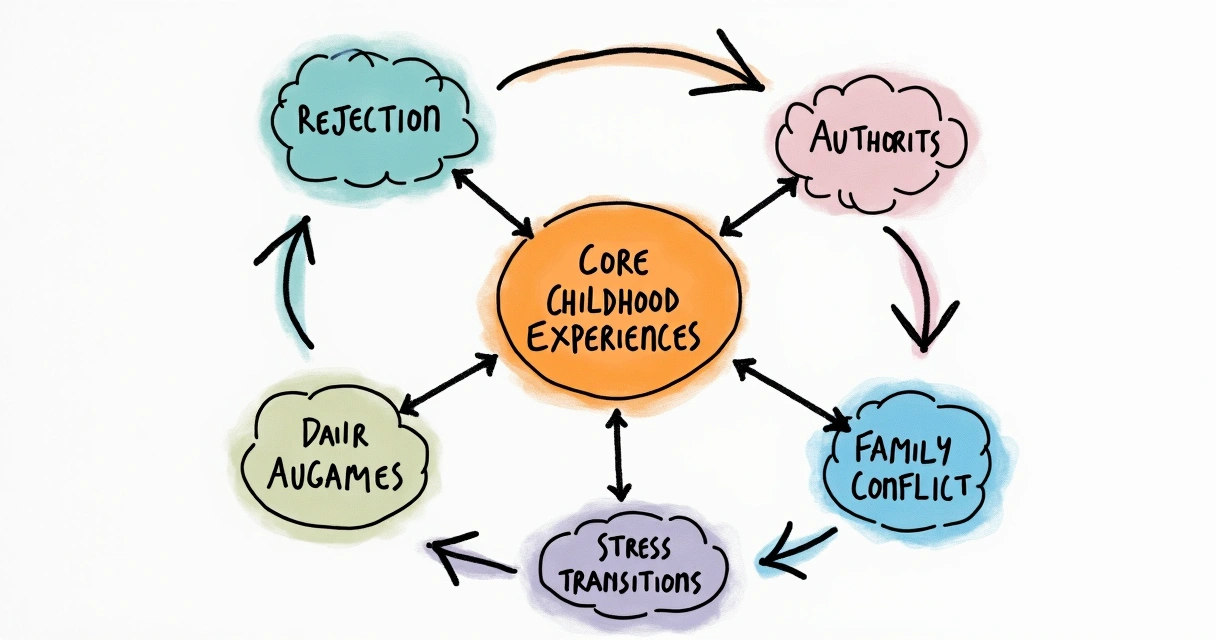
Triggers for regression often stem from earlier experiences that left a strong imprint. In our observations, the following are the most common causes.
- Criticism or perceived judgment
- Loss, rejection, or abandonment
- Stressful transitions (job loss, divorce, moving)
- Freeze or flight responses to authority figures
- Conflicts that mirror old family dynamics
Sometimes, it is not the event itself, but what it symbolizes—an anniversary of a loss, entering a new life phase, or coming up against limits that evoke old helplessness or fear. Patterns are powerful, and we may not notice similarities with our past until our reactions make them clear.
From recognition to action: Next steps if you notice regression
Spotting regression is only the beginning. The real change comes from what we do next. We’ve found the following actions make a tangible difference:
- Name It: When you notice a younger reaction, quietly acknowledge it. “This is my anxious child-self responding.” Naming grants some distance from the feeling.
- Brief Pause: Give yourself a moment. Step aside, breathe, or count to ten. This pause interrupts impulsive urges and helps reconnect with your mature mind.
- Gently Inquire: Ask yourself questions with curiosity, not judgment: What triggered me? What does this remind me of? What do I need right now?
- Self-Compassion: Treat yourself with the warmth you would extend to a struggling friend or child. Offer reassurance internally.
- Reflect and Integrate: Once calm returns, reflect on what you learned. Are there patterns? Do you see a link between the trigger and your personal history? Integration brings valuable self-knowledge.
Consistency is key. Growth is steady rather than immediate. Over time, we learn to trust our adult response more and more.
For those looking to deepen their understanding, we recommend content on emotional maturity, levels of consciousness, and practical philosophy approaches. These perspectives add richness to your process and help make your progress more sustainable.
Building emotional maturity for the long run
Moving through and beyond regression is a journey, not an event. We improve incrementally, often with setbacks and breakthroughs along the way. In our approach, the goal is not to “banish” these child parts, but to recognize their signals and invite mature responses.
Stronger awareness leads to a calmer life.
Over time, investing in self-observation widens our choices. We can relate with more presence, own our behaviors, and even transform patterns that once felt unshakable. When we become able to respond, not just react, possibility opens.
If you want to investigate further interventions and insights, a search for emotional regression will lead you to more reflections and tools. From there, new pathways open toward more conscious, responsible living.
Conclusion
In our experience, triggers for emotional regression are common but not insurmountable. The five key signals—disproportionate emotion, seeking comfort, avoidance, language shift, and blame—help us notice the moment regression arrives. By pausing and applying a little compassion, we build trust in our mature self. Long-term, this practice shapes lives that are steadier, relationships that grow stronger, and communities that become kinder. As we step toward greater clarity and presence, our world feels just a little more balanced each day.
For those drawn to holistic progress, insights from integrative human valuation also enrich the journey, expanding the context for true personal growth.
Frequently asked questions
What is emotional regression?
Emotional regression is when we respond to situations from a more childlike or adolescent emotional state, rather than with our full adult awareness and skills. It often involves old coping strategies, feelings, and beliefs resurfacing in the present, influencing our behavior and relationships.
What triggers emotional regression episodes?
Episodes of regression are usually prompted by events or interactions that echo themes from our past, such as criticism, authority encounters, rejection, or major life changes. These triggers reactivate unresolved feelings, causing us to respond as we did earlier in life.
How can I spot emotional regression?
You can notice regression by checking if your emotional response feels much younger than your actual age, or if you find yourself behaving in ways that are out of character for your adult self. Key clues are sudden changes in emotion, neediness, blame, avoidance, or loss of clear communication.
What are common signals of regression?
Common signals include intense and disproportionate feelings, longing for comfort or rescue, withdrawing from contact or responsibility, shifting to childlike speech or tone, and blaming others to avoid vulnerability. These are signs an earlier stage of development is responding to the current situation.
How to cope with emotional regression?
To cope with emotional regression, first notice and name what is happening. Then pause to allow your rational adult self to return, use self-compassion, and gently explore what triggered the reaction. Over time, recognizing and understanding these states helps you respond with greater maturity and stability.