

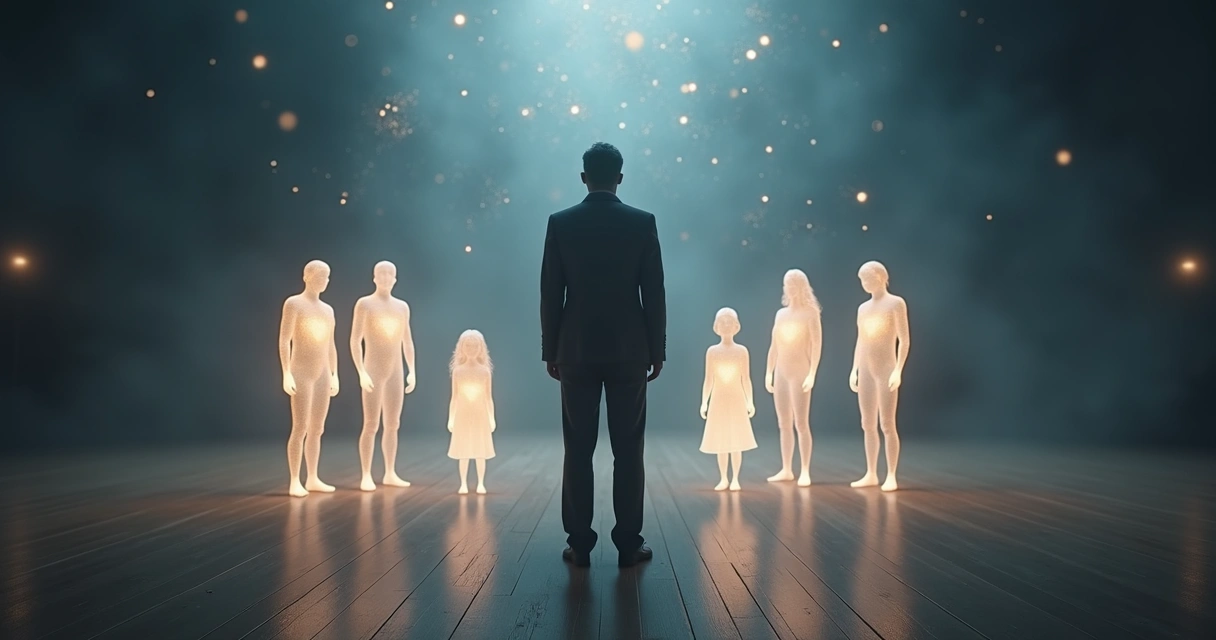
It is one of the most powerful patterns in human relationships: the silent pull that ties us to our family stories, sometimes at the expense of our own growth. We live with bonds we don't fully sense, yet their influence is undeniable. In systemic constellations, this is called unconscious loyalty. What, then, truly shapes this invisible force?
Understanding unconscious loyalty in systems
Unconscious loyalty is not simply affection or duty. It is the deep, often hidden, tendency to repeat behaviors, beliefs, or fates of those who came before us. We see it in families where generations carry the same burdens, make similar choices, or struggle with comparable wounds.
Unconscious loyalty emerges from a core human desire: belonging. From our first breath, we yearn to be accepted, to know that we are part of something bigger. Systems—whether family, organizational, or social—form our sense of identity, and belonging to them can mean following unwritten rules, even when they hurt us.
How families transmit loyalty outside awareness
Patterns of hidden loyalty do not develop by chance. In our work, we’ve seen how emotional pain, loss, or trauma, especially if unspoken, ripple through the generations. The silence around what happened, or what should not have happened, creates pressure. To balance what feels missing or unexpressed, some members unconsciously repeat past stories; others carry burdens to compensate.
- Secrets held by one generation surface as unexplainable difficulties in the next.
- Unfinished grief finds new forms, like depression or anxiety, in descendants.
- Family myths, such as ‘we must sacrifice for each other,’ shape unchosen paths.
This does not only belong to families. In organizations, employees often echo previous leaders, unconsciously protecting old loyalties or resisting change, simply to remain safe within the group.

The mechanisms that shape unconscious loyalty
We believe three main mechanisms shape these unconscious bonds:
- Identification: We unconsciously identify with ancestors or former members of a group, sometimes copying their destiny or suffering. This may feel like loyalty, but it is often silent and hidden.
- Compensation: We may feel that, to belong, we must “pay a price” for past wrongs or serve as a replacement for someone excluded, forgotten, or injured in the system. This compensation can mean self-limiting behaviors.
- Repetition: The system unconsciously repeats unresolved issues, almost like a loop looking for closure, healing, or recognition. This leads to cycles in families and organizations that persist over time.
These mechanisms are rarely conscious. We do not sit down and decide to take on a parent’s burden or follow a lost ancestor’s fate. It just happens, often beginning in childhood and reinforced through behavior, silence, or emotion.
The emotional roots of loyalty
At the core, unconscious loyalty is an emotional phenomenon. Our longing for love and acceptance knows few limits. In our experience, children often—out of boundless love—try to “save” their parents, take on pain, or maintain balance in the system, believing that if someone suffers, another must compensate.
The emotional logic of a child says, 'If I suffer too, my parent will feel less alone.'
This inner logic shapes our choices later in life, usually without us realizing. The sense of guilt about “doing better than my parents” can stop someone from growing. The unspoken promise to “never leave a grieving mother alone” may block the formation of a new family.
Emotions like guilt, fear, and longing are the glue; they keep these patterns alive across decades and even centuries.
The roles of inclusion and exclusion
One of the strongest shapers of unconscious loyalty lies in the system’s rules of inclusion. Every system has, at its core, a natural principle: those who belong need to be recognized. When someone is excluded—by death, silence, shame, loss, or rejection—the system responds. Someone from a later generation takes the role or burden of the excluded. This is called representing the excluded one.
When history is hidden, the system remembers for us.
This explains why sometimes, a grandchild will echo a grandparent’s untold pain, or an employee starts acting like a previous leader who left suddenly. The energy of exclusion seeks reintegration, often through repetition and identification.
The role of collective beliefs and cultural context
It is not only family or organizational pain that shapes loyalty. Societal and cultural beliefs also play a part. Some cultures hold strong ideas about fate, duty, or sacrifice. These collective beliefs seep into the system, strengthening unconscious loyalty. We have noticed that in some communities, the idea that “the individual must serve the group” is still powerful. There is less space for new paths or personal autonomy.
Others carry long histories of injustice—displacement, war, discrimination. The system may unconsciously assign the task of "remembering" to some members, who then experience limitation or repetition of trauma on behalf of the group.
For a deeper perspective on these patterns and how they influence our perception and interaction with the world, the resources in our consciousness section can open new paths of inquiry and reflection.
Recognizing loyalty in yourself
How do we know when we are under the influence of unconscious loyalty? It often shows up as hesitation when pursuing happiness, unexplained blocks, recurring relationship patterns, or a deep sense that we do not have permission to live freely.
Signs include:
- Patterns of self-sabotage or giving up on dreams
- Unexplained feelings of guilt or worry when things go well
- Repeating suffering or limitations similar to those of family members
- Difficulty breaking free from family expectations or group beliefs
When we start to recognize these signs, we may begin the real journey to healing and change.

Integrating loyalty with emotional maturity
Unconscious loyalty can be both a burden and a hidden source of strength. When brought to light, we can reinterpret our inherited patterns and choose new responses. This requires emotional maturity—accepting that loyalty does not mean repeating suffering, but honoring the past while claiming the present.
Work that cultivates emotional maturity, presence, and responsibility lays the ground for change. Conscious approaches include:
- Open and respectful dialogue about past and present pain
- Meditative or reflective practices to increase self-awareness
- Engaging support systems that help us see blind spots
There are deeper resources on these approaches in our emotional maturity section.
Many also find value in searching for new models of behavior and human value, which can be explored further through the human valuation section.
For those wishing to investigate specific loyalty questions or find connections between various patterns, the systemic search tool offers targeted routes.
Systems healing and new directions
When unconscious loyalty is recognized, we have a choice: to keep carrying what is not ours, or to honor our roots in a way that frees us and future generations. This does not mean leaving the system behind, but relating to it in a new way.
Change is possible when we recognize what we are carrying.
True systemic healing does not erase the past, but connects us to it consciously, with new freedom and clarity. This approach is at the center of methodologies that see human development as connected to consciousness, emotion, and value.
To see practical examples and ongoing reflections, explore our systemic constellation articles.
Conclusion
Unconscious loyalty in systemic constellations takes shape from a mix of hidden family histories, emotional needs for belonging, systemic exclusion, and cultural beliefs. These patterns, while powerful, are not destiny. With growing awareness and maturity, we can recognize them, honor where we come from, and open space for new life choices. Each step toward understanding these loyalties not only frees ourselves, but also changes the future of our families, organizations, and societies.
Frequently asked questions
What is unconscious loyalty in constellations?
Unconscious loyalty is the hidden bond that ties us to the fate, pain, or limitations of those who came before us, often without our conscious awareness. It leads to the repetition of patterns, behaviors, or sacrifices as a way of belonging or compensating within a system, especially in families.
How does family history shape loyalty?
Family history shapes loyalty by transmitting unresolved trauma, emotional pain, or losses from one generation to the next. When past events are unhealed or remain unspoken, descendants often feel compelled to repeat or compensate for those events to maintain balance and connection within the family.
Can unconscious loyalty affect my life?
Yes, unconscious loyalty can affect many parts of life, from personal relationships to career choices and overall well-being. It may lead to repeated difficulties, feeling blocked, or limiting oneself without clear reason. Recognizing these patterns allows for more conscious and fulfilling life choices.
How to break unconscious loyalty patterns?
Breaking unconscious loyalty starts with awareness. Practices such as open dialogue with family, guided self-reflection, meditation, and therapeutic work can help. Acknowledging the stories of those who came before, and consciously choosing new paths while honoring them, are key steps in healing.
Is systemic constellations therapy effective?
Many people report positive changes from systemic constellations therapy, such as increased understanding, emotional healing, and improved relationships. Its effectiveness can depend on personal openness, context, and support after the sessions. It is always useful to seek experienced facilitators and supportive environments for this work.