

We often see people try to change their habits with force alone. They make a plan on Sunday, feel inspired for two days, and then return to old patterns by Thursday. We have seen this many times, and in our experience, the issue is rarely a lack of will. The issue is that a habit without meaning becomes a task, and a task under pressure tends to break.
Ritual design gives structure, meaning, and emotional stability to the habits we want to build.
A habit is a repeated action. A ritual is a repeated action with attention, intention, and context. That difference changes everything. When we design a ritual, we are not only deciding what to do. We are also shaping how we enter the action, what inner state supports it, and what message that action sends to our mind and body.
This is why ritual design matters for conscious habit formation. It helps us move from automatic repetition to chosen repetition. That shift may sound small. It is not.
Why habits fail when they stay mechanical
Many habits fail because they are built only on logic. Wake up earlier. Exercise more. Write every day. Eat better. On paper, it looks clear. In real life, our emotional state, our mental noise, and our environment interfere.
We may know what to do and still avoid doing it. We may even feel guilty while avoiding it. That tension creates a hidden conflict. One part of us wants change. Another part wants comfort, safety, or relief.
Change without inner agreement rarely lasts.
When a habit stays mechanical, it can feel cold. It asks for repetition but offers no real grounding. Ritual design softens this friction because it honors the whole person, not just the goal.
In our view, conscious growth asks for more than checklists. It asks for presence. This is one reason why themes related to consciousness matter so much in behavior change.
What makes a ritual different?
A ritual has a shape. It begins in a clear way, carries a simple rhythm, and closes with awareness. It does not need to be complex or spiritual in appearance. It can be very practical. What matters is the quality of attention within it.
For example, drinking water each morning is a habit. Pausing, taking three calm breaths, drinking water slowly, and setting a clear intention for the day is a ritual. The action is similar. The inner effect is not.
Rituals turn habits into anchors for identity.
That is where their power lies. A ritual does not only help us do something. It helps us become someone. It teaches the nervous system that this action belongs to who we are now.
We think good ritual design includes at least three dimensions:
- A visible action that can be repeated with ease.
- An emotional tone that supports the action.
- A meaning that connects the action to a value or direction.
Without these dimensions, habits can remain shallow. With them, even small acts gain weight.
How ritual design shapes inner readiness
There is a moment before every habit. That moment is often ignored. Yet it is where many choices are made. We wake up and reach for the phone. We feel stress and open the fridge. We sit to work and drift into distraction. The action starts before we think about it clearly.
Ritual design helps us work with that first moment. It creates a transition point. A pause. A signal. A conscious entry.
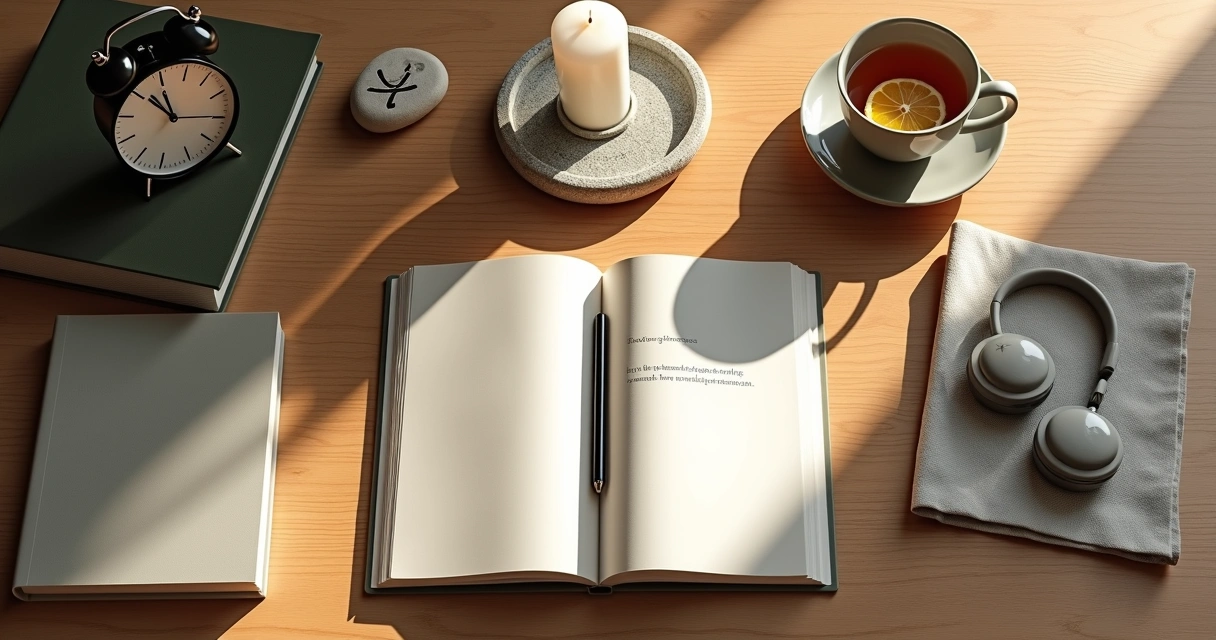
We once observed a simple case that says a lot. A person wanted to journal each evening but kept postponing it. The breakthrough did not come from buying a new notebook or setting more alarms. It came from creating a five-minute opening ritual: turning off bright lights, making tea, sitting in the same chair, and asking one honest question. Soon, journaling no longer felt like one more duty. It felt like coming back to oneself.
This is where practical reflection also becomes useful. If you enjoy thinking about meaning, choice, and action, topics in practical philosophy can deepen this process.

Rituals support emotional maturity
We do not form habits only with discipline. We form them through relationship, including the relationship we have with discomfort. If every hard feeling leads us away from our chosen path, then our habits remain fragile.
Rituals can help us stay present when emotions rise. A short breathing practice before a hard conversation. A walk after a demanding meeting. A moment of silence before opening email. These are not empty gestures. They train steadiness.
When a ritual helps us regulate emotion, it becomes easier to keep our commitments without harshness.
This matters because many people break habits not from laziness, but from overwhelm. They feel too scattered, too pressured, or too numb. In our experience, the answer is not always more effort. Sometimes it is better containment.
That is why work related to emotional maturity can support habit change in a very direct way.
How to design a ritual that actually fits your life
Ritual design should be simple enough to repeat and clear enough to feel real. If it becomes too elaborate, it can collapse under its own weight. We suggest starting with one behavior and building around it with care.
A useful sequence looks like this:
- Choose one habit that reflects a value, not just a result.
- Define the exact time or trigger for the action.
- Create a short opening step that signals presence.
- Add one element that supports the emotional tone you need.
- Close the ritual with one moment of acknowledgment.
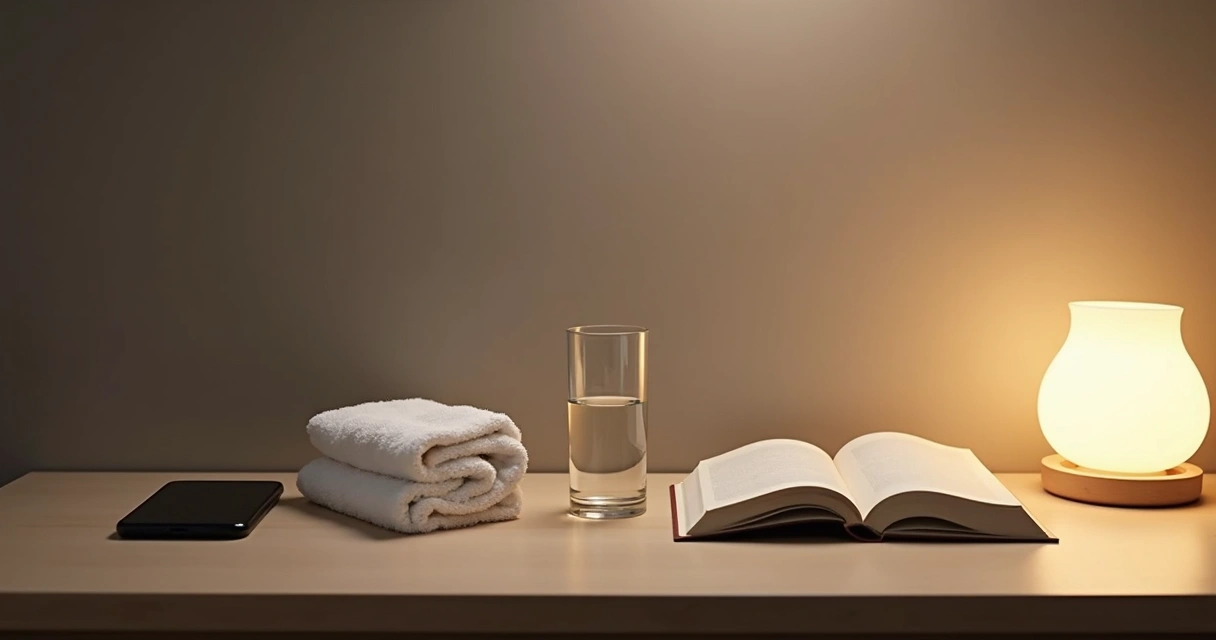
Let us say the habit is reading for ten minutes at night. The ritual might include putting the phone in another room, washing the face, dimming the lights, sitting in the same place, and taking one slow breath before opening the book. At the end, the person closes the book and notes one idea worth carrying into the next day.
It is simple. But it has form.
This kind of design also changes the way we relate to value. We stop measuring value only by output and begin to notice the quality of our presence, our choices, and our effect on life around us. That view connects well with themes in human valuation.
Common mistakes in ritual design
Some rituals fail not because the idea is poor, but because the design does not match the person. We usually see a few repeated mistakes:
- The ritual is too long for the current season of life.
- The steps depend on perfect conditions.
- The action is copied from others and has no personal meaning.
- The ritual tries to fix too many habits at once.
We suggest being honest. A two-minute ritual done daily has more force than a twenty-minute ritual done twice and then abandoned. Small rhythms build trust. Trust builds continuity.
If you want more ideas across themes and practical topics, a good way to continue is by browsing the site’s search resources.
Conclusion
Ritual design matters because conscious habits need more than repetition. They need a container. They need emotional fit. They need meaning. When we create rituals, we stop asking only, “How do we do this every day?” and begin asking, “Who are we becoming through this action?”
That question changes the quality of habit formation. It brings dignity to small acts. It makes change less forced and more integrated. In time, what once felt like effort begins to feel like alignment.
We repeat what shapes us.
If we want habits that support a clear and mature life, ritual design is not decoration. It is wise structure.
Frequently asked questions
What is ritual design for habits?
Ritual design for habits is the practice of giving a habit a clear structure, meaning, and emotional tone. Instead of only repeating an action, we create a simple process around it, such as a start cue, a focused moment, and a closing step. This helps the habit feel grounded and intentional.
How does ritual design help habits?
Ritual design helps habits by making them easier to begin and more meaningful to repeat. It supports attention, reduces inner resistance, and creates a stable context for action. Many people stay with a habit longer when it feels connected to values and not just to pressure.
Is ritual design worth trying?
Yes, ritual design is worth trying, especially when habits keep failing despite good intentions. It can help us create a better emotional setting for change. Even a short ritual can make a habit feel calmer, clearer, and more natural over time.
What are examples of ritual design?
Examples include taking three breaths before starting work, making tea before journaling, putting the phone away before reading, or sitting in silence for one minute before a meal. These actions are simple, but they create a conscious frame around a habit and help the mind shift into a chosen state.
How can I start ritual design?
We can start ritual design by choosing one habit and keeping the structure small. First, pick the exact action. Then add a short opening cue, such as a breath or a physical setup. After that, include one closing moment, like a brief reflection. Start small, repeat often, and adjust until the ritual fits real life.